Senzo is to improve the lives of adults with learning disabilities.
About Us:
Senzo (an Essex Community Foundation fund) aims to improve access, health care provider training, quality and a personalised service to drive up quality and accessibility of health checks, improving the health care, and quality of life for this vulnerable group within society.
Adults with a learning difficulty (LD) have an average life expectancy 20 years lower than that of adults without a LD (62 years). The LeDeR report suggests that 42% of all adult LD deaths were “avoidable”. The vast majority of excess avoidable deaths are between the ages of 25-65 years, soon after patients enter adult services.
The NHS offers “annual health checks” to all adults with LD, however access, quality and appropriateness of these checks is extremely variable, with the East of England region having the some of the lowest performance within the UK. Only 50% of Essex adults with a learning difficulty will receive a health check in 2024/25.
Our Active Projects:
Friendship Group
Are you an adult with a learning disability who lives in supported or residential living, or has PA (personal assistant) support? Come and join a safe, welcoming space just for you!
Arts and Crafts
Enjoy relaxing with some arts and crafts.
Jigsaws and games
Have fun by trying to complete some jigsaws and by playing cool games.
Colouring
Chill out by doing some colouring in.
Music and gentle exercises
We'll be playing some of your favourite music alongside some gentle, seated exercises.
Capillary Blood Testing
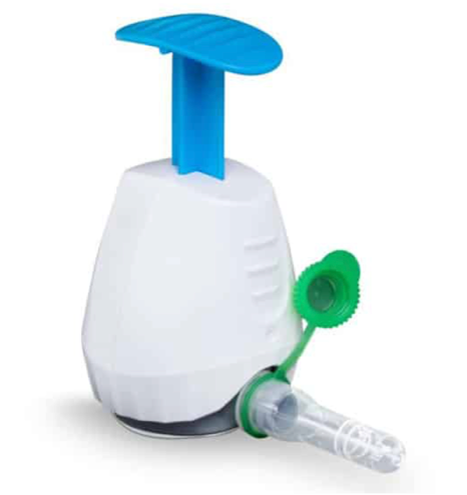
Senzo will pilot needle free blood tests, using the Tap2 painless capillary blood sampling technology in association with Pathology First, Synlab, MSEFT and MSE ICS. This will bring access to screening and monitoring blood tests for a large group of LD patients unable to access standard needle based sampling.
Adult Health Checks
Senzo health is working with Anglia Ruskin School of Medicine to scope existing knowledge of and practice regarding adults with learning disabilities and annual health checks to identify good practice, areas for improvement, key gaps, and areas for further investigation by carrying out a secondary analysis of existing public data and literature.
We use cookies to ensure that we give you the best experience on our website. If you continue to use this site we will assume that you are happy with it.